
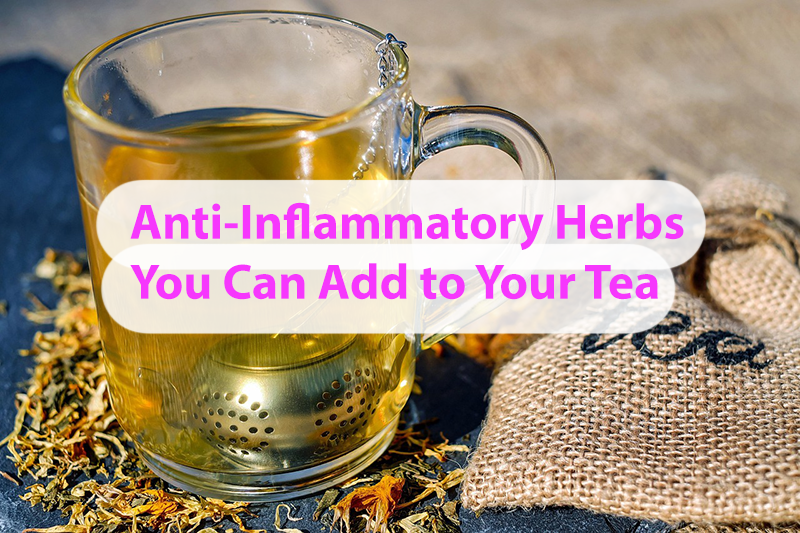
Anti-Inflammatory Herbs You Can Add to Your Tea
Inflammation is a natural and essential part of the body’s defence system. In the short term, it helps protect us. But when inflammation becomes persistent - often influenced by stress, poor diet, lack of sleep, illness or environmental triggers - it can leave us feeling sluggish, uncomfortable, and out of balance.
IMore people are exploring natural ways to support balance through food, movement, and plant-based rituals.
One of the simplest ways to introduce anti-inflammatory herbs into your daily routine?
Add them to your tea.
This guide explores herbs traditionally used for their anti-inflammatory properties, the science behind their plant compounds, and easy ways to incorporate them into everyday infusions.
Understanding Inflammation & Plant Compounds
Inflammation is regulated by complex biological pathways involving cytokines, oxidative stress, and immune signalling. Many plants contain natural compounds that have been studied for their potential role in supporting healthy inflammatory responses.
These include:
- Polyphenols
- Flavonoids
- Curcuminoids
- Terpenes
- Beta-glucans
- Antioxidants
Herbal teas provide a gentle and accessible way to introduce these compounds into the diet.
While tea isn’t a replacement for medical care, it can form part of a broader supportive lifestyle approach.
1. Turmeric – The Golden Classic
Turmeric (Curcuma longa) is perhaps the most recognised anti-inflammatory herb worldwide.
Its active compounds, curcuminoids, have been extensively studied for their role in supporting inflammatory balance and antioxidant activity.
How to Use Turmeric in Tea
- Add ½ teaspoon turmeric powder to hot coconut milk
- Combine with fresh ginger and a pinch of black pepper
- Add lemon and honey to taste
This “golden tea” has become a staple in many anti-inflammatory routines. It is important that turmeric is combined with a fat like coconut milk, to help absorption.
Turmeric also pairs beautifully with chai-style blends for a warming infusion.
2. Ginger – Warming & Circulation-Supporting
Ginger has been used for centuries in both traditional Chinese and Ayurvedic herbal systems.
Its bioactive compounds, including gingerols and shogaols, are studied for their potential role in supporting inflammatory pathways and digestive comfort.
How to Use Ginger
- Fresh sliced or dried ginger steeped for 10 minutes
- Combine with lemon myrtle or green tea
- Blend with turmeric for added warmth
Ginger is particularly popular in cooler seasons or post-meal infusions.
3. Green Tea – Polyphenol Power
Green tea contains catechins, especially EGCG (epigallocatechin gallate), which are powerful plant polyphenols studied for antioxidant activity.
Regular green tea consumption is often associated with overall cellular health support.
Simple Addition
Add:
- Fresh or dried mint/peppermint
- Lemon peel (fresh or dried)
- A small amount of Kakadu plum powder
to enhance antioxidant richness.
4. Lemon Myrtle – Australian Antioxidant Herb
Lemon Myrtle is native to Australia and contains naturally high levels of antioxidant compounds.
Its bright citrus aroma makes it ideal for:
- Morning infusions
- Iced teas
- Blending with ginger
It’s also caffeine-free, making it suitable for evening use.
5. Rosemary – Aromatic & Traditionally Revitalising
Rosemary contains compounds such as rosmarinic acid, which has been researched for antioxidant and anti-inflammatory potential.
While often used in cooking, it can be brewed lightly into tea, especially combined with lemon or green tea.
6. Chaga Mushroom – Antioxidant-Rich Support
Chaga mushroom powder is rich in polyphenols and beta-glucans, making it popular in anti-inflammatory and resilience-focused routines.
It’s often consumed as:
- A decoction (simmered tea)
- Added to warm herbal blends
- Combined with cinnamon and ginger
Chaga pairs well with cacao alternatives and earthy tea bases.
7. Peppermint – Cooling Balance
Peppermint is frequently used for digestive comfort and contains menthol and flavonoids that support overall balance.
It works particularly well in:
- Anti-inflammatory summer iced teas
- Post-meal blends
- Combined with chamomile
Easy Anti-Inflammatory Tea Blend Ideas
Golden Morning Blend
Turmeric + Ginger + Lemon Myrtle
Cooling Refresh Blend
Peppermint + Green Tea + Lemon
Earthy Adapt Blend
Chaga + Cinnamon + Ginger
Calm & Restore Blend
Chamomile + Linden + Peppermint
Lifestyle Matters Too
While herbal teas can support balance, they work best alongside:
- Whole-food nutrition
- clean water and hydration
- Adequate sleep
- Regular movement
- Reduced ultra-processed foods
- Stress management
- Time spent in nature
Anti-inflammatory living isn’t about extremes. It’s about daily habits that add up.
Why Herbal Teas Make Sense for Anti-Inflammatory Living
Teas are:
Easy to incorporate
Affordable
Gentle on digestion
Rich in plant compounds
Adaptable to seasons
And importantly, they’re ritual-based. When you slow down to brew and sip tea, you’re also supporting stress reduction, which is deeply connected to inflammatory balance.
Building Your Daily Anti-Inflammatory Ritual
Start simple:
- Choose one anti-inflammatory herb
- Brew it daily for one week
- Notice how your body responds
- Adjust gradually
Consistency is more powerful than complexity.
Explore Anti-Inflammatory Herbs at My Herb Clinic
At My Herb Clinic, we stock a range of herbal teas and botanical powders suitable for anti-inflammatory lifestyles, including:
- Turmeric
- Ginger
- Green Tea & Matcha
- Lemon Myrtle
- Rosemary
- Peppermint
- Chaga Mushroom Powder
- Kakadu Plum Extract (back in stock soon! Contact us to preorder)
Explore our collection and begin crafting your own anti-inflammatory tea rituals today.
Recent Posts
-

Diffusing the Spirit of Easter: Uplifting Autumn Aromas & Herbal Rituals for Southern Homes
For much of the world, Easter arrives wrapped in blossoms, sunshine, and the scent of fresh spring a …3rd Mar 2026 -

Anti-Inflammatory Herbs You Can Add to Your Tea
Inflammation is a natural and essential part of the body’s defence system. In the short term, it hel …17th Feb 2026 -
How Scents Influence Mood & Focus
Scent is one of the most powerful and often overlooked tools in wellbeing. Long before we consciousl …21st Jan 2026